

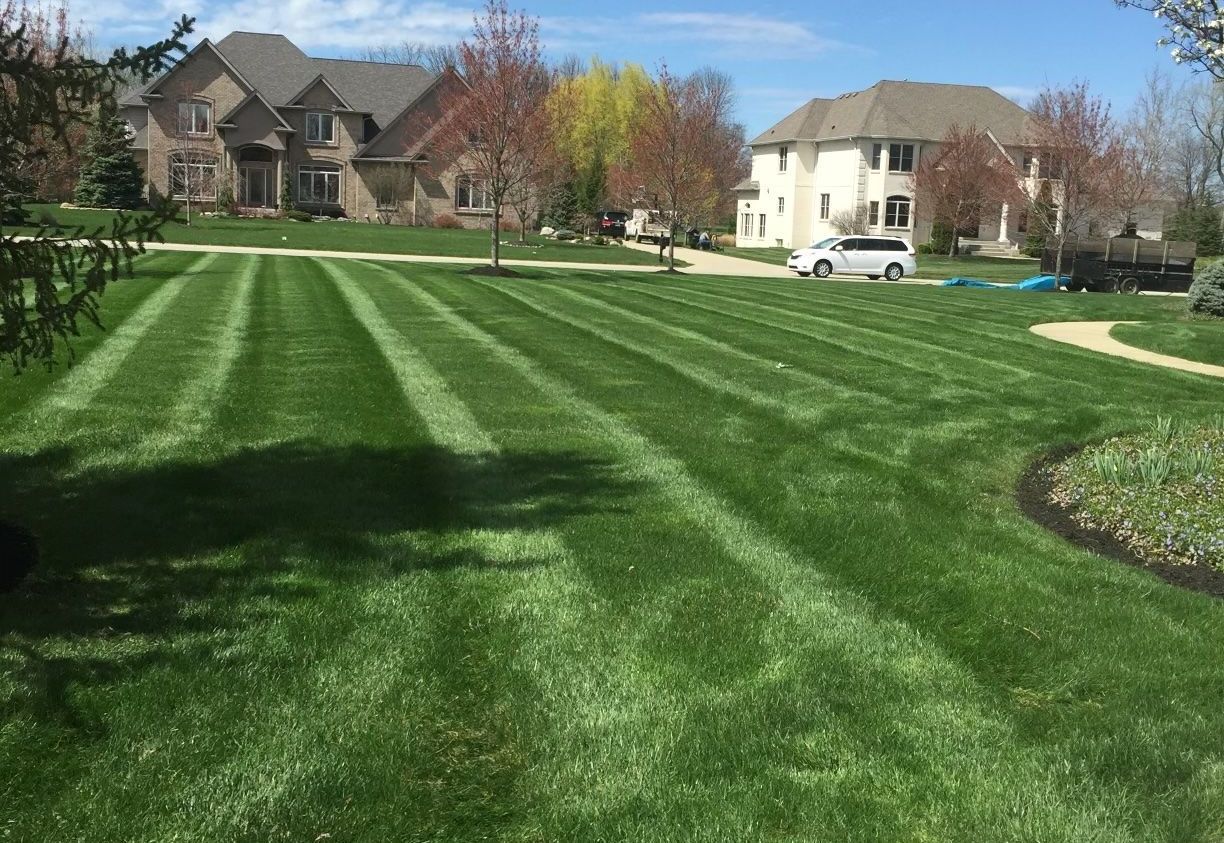
Fertilization is essential for maintaining the health and beauty of your lawn. It provides the necessary nutrients that grass needs to grow strong and resist diseases, weeds, and pests. Regular fertilization helps your lawn recover from the wear and tear of foot traffic, weather conditions, and seasonal changes. Types of Fertilizers: Granular Fertilizers: These are applied to the lawn and gradually release nutrients over time. They're ideal for a slow, steady feeding. Liquid Fertilizers: These provide a quick nutrient boost and are absorbed rapidly by the grass, making them perfect for a fast response. Organic Fertilizers: Made from natural materials, these are environmentally friendly and improve soil health over time. When to Fertilize: Spring: This is the most critical time to fertilize as the lawn begins to grow actively. A balanced fertilizer will promote healthy growth. Summer: Use a slow-release fertilizer to help the lawn withstand the heat and drought conditions. Fall: Fertilizing in the fall helps strengthen roots and prepares the lawn for winter. How to Fertilize: Test Your Soil: Before applying any fertilizer, it's essential to understand your lawn's nutrient needs. A soil test can guide you in choosing the right fertilizer. Choose the Right Fertilizer: Based on the soil test results, select a fertilizer that meets your lawn's specific needs. Apply Evenly: Use a spreader to ensure even application across the lawn. Avoid overlapping to prevent burning the grass. Water Thoroughly: After fertilizing, water the lawn well to help the nutrients penetrate the soil and reach the roots. Fertilizing your lawn is a crucial step in maintaining its health and appearance. At Pristine Lawncare and Landscaping, we're committed to helping you achieve a lawn that enhances the beauty of your property. If you need assistance with fertilization or any other lawn care services, feel free to book an appointment through our online client hub or contact us directly.

Watering your lawn might seem straightforward, but getting it right is crucial for maintaining a lush, healthy lawn. In Florida's climate, understanding the intricacies of lawn watering can make all the difference. In this post, we'll explore how much water your lawn needs and how often you should be watering it to keep it thriving. 1. Understanding Your Lawn's Water Needs: Most lawns require about 1 to 1.5 inches of water per week, including rainfall. The amount can vary based on grass type, soil conditions, and weather patterns. Overwatering can lead to shallow root systems and increase the risk of disease. 2. Best Time to Water: - Early morning (before 10 a.m.) is the best time to water your lawn. This allows the water to soak into the soil before the heat of the day causes evaporation. - Avoid watering in the evening, as this can leave the lawn too wet overnight, promoting fungal diseases. 3. Efficient Watering Techniques: Use a rain gauge or a simple can to measure the amount of water applied to your lawn. Consider using a sprinkler system with a timer to ensure even coverage and avoid overwatering. Water deeply and infrequently to encourage deep root growth, making your lawn more drought-resistant. 4. Adjusting for Seasonal Changes: In the cooler months, your lawn will require less water, so adjust your watering schedule accordingly. During the rainy season, monitor rainfall and adjust your watering system to prevent overwatering. 5. Special Considerations for Florida Lawns: Sandy soils common in Florida may require more frequent watering due to faster drainage. Be mindful of local water restrictions, especially during dry spells or drought conditions.
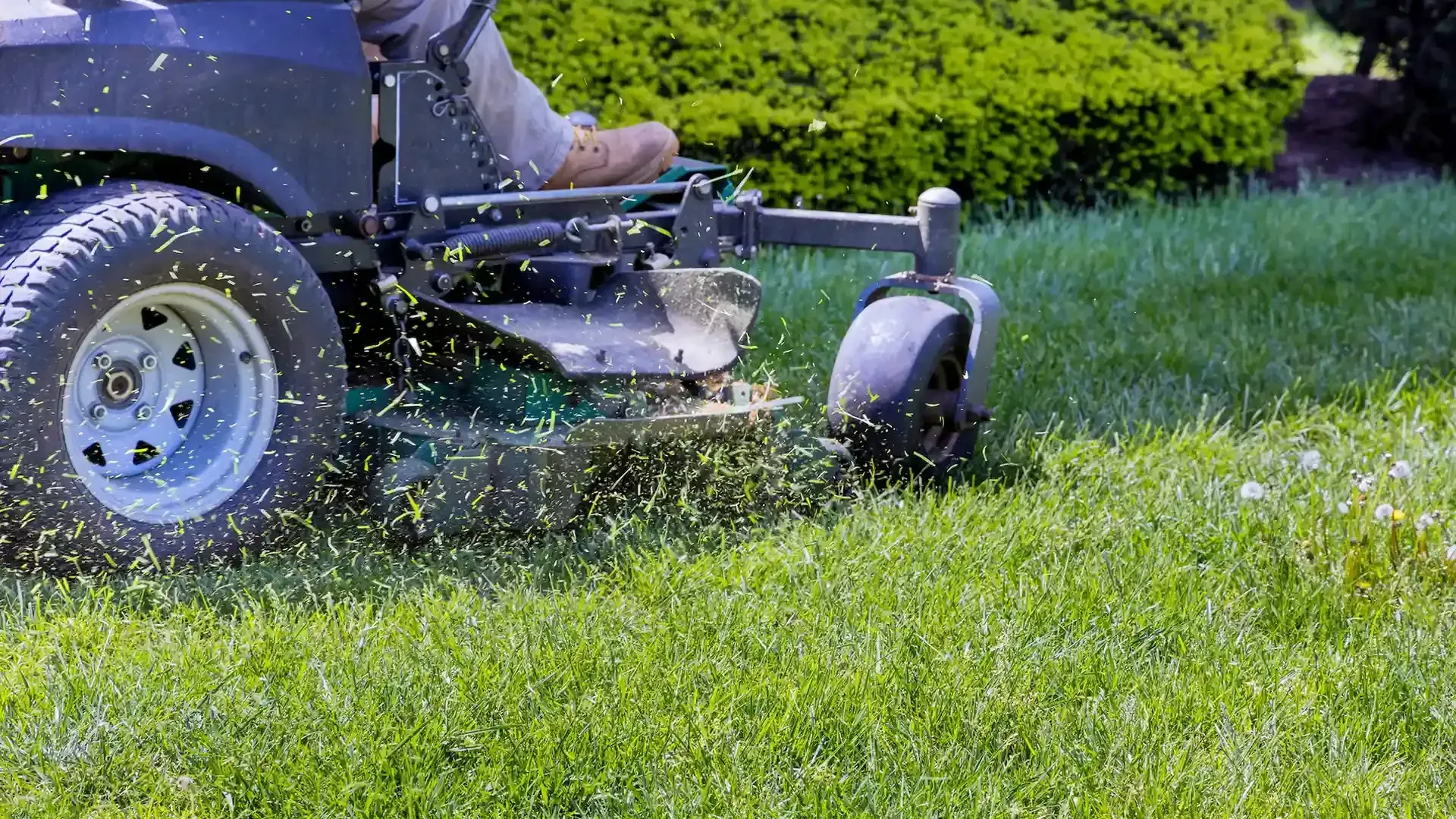
A lush, green lawn is the pride of any homeowner in Wesley Chapel and the surrounding areas. But achieving that perfect turf isn't just about regular mowing – it's about mowing smart. In this post, we'll cover the essentials of lawn mowing to help you maintain a healthy, beautiful lawn year-round.